


With year-round UV exposure, high humidity, and significant urban pollution, the skin faces daily environmental stressors, and exposure to UV rays can contribute to the appearance of several skin concerns, such as fine lines and pigmentation.
This guide is designed to help you identify what to look for when choosing the best sunscreen for face use in Singapore’s climate. Read on to learn more.
Why Sunscreen Is Essential in Singapore’s Hot and Humid Climate
Singapore lies 85 miles north of the equator, making it a tropical country. With this proximity, the country experiences humid conditions and high UV intensity year-round, making daily sun protection a consistent skin health priority, not a seasonal one.
UV exposure occurs across everyday moments — commuting to work, stepping out for lunch, driving, running errands, or simply sitting near a window. Ultraviolet light, particularly UVA, can even penetrate glass, meaning indoor environments do not eliminate exposure.
What SPF 50 Really Means for Daily Sun Protection
For everyday exposure, a broad-spectrum sunscreen with SPF 30 or higher is generally recommended.
How to Choose the Best Face Sunscreen in Singapore
What is your skin type?
The right formula should feel comfortable enough to apply every morning, regardless of what the day holds.
For Sensitive Skin
If you're looking for a sunscreen for sensitive skin in Singapore, choose a gentle, fragrance-free formula that feels comfortable on the skin. Perform a patch test before incorporating any new sunscreen into your daily skin health system.
For Oily or Sweaty Skin
For oily or sweaty skin, lightweight, non-greasy formulas in gel or fluid textures tend to feel more comfortable in Singapore's humidity. Look for facial sunscreen formulas that layer well under makeup or as part of your daily skincare without feeling heavy throughout the day.
For Dry or Dehydrated Skin
For dry skin or dehydrated skin, look for sunscreen textures that feel comfortable on the skin without leaving it feeling tight or flaky. Regardless of skin type, sunscreen should always be applied as the final step in your morning skin health system.
Do you have skin concerns?
Existing skin concerns can help narrow down the most suitable sunscreen formula.
Those with sensitivity may benefit from fragrance-free, low-irritant options, while those with blemish-prone skin may prefer lightweight, non-comedogenic formulas that provide daily sun protection without contributing to congestion.
What type of lifestyle do you lead?
What to Look for in a Sunscreen for Sensitive Skin in Singapore
- Fragrance-free. Fragrance is a common trigger for skin sensitivity and irritation.
- Non-comedogenic. Suitable for daily use without contributing to congestion.
- Lightweight formula. Feels comfortable in Singapore's humidity without sitting heavily on the skin.
- Broad-spectrum protection. Helps defend against both UVA and UVB exposure.
- Calming ingredients. Such as those that help support skin comfort for reactive skin types.
Face Sunscreens That Work Best in Humid Weather
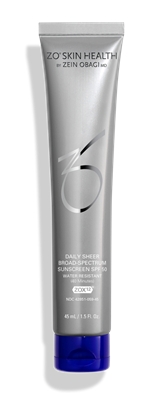
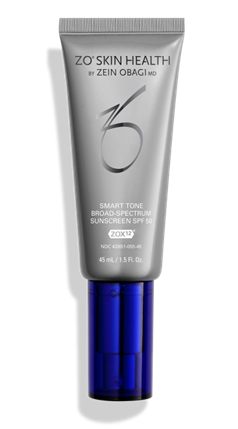
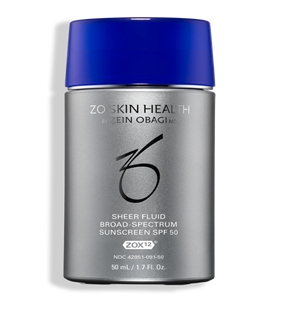
ZO® Skin Health’s portfolio of broad-spectrum sunscreens offers various formulations, from physical to chemical, and differing applications to suit various skin types and lifestyles. Apply it as the last step in your skin health system before moisturiser.


Common Sunscreen Mistakes to Avoid in Singapore
- Applying sunscreen only on sunny days
- Skipping sunscreen on mostly indoor days
- Forgetting the neck, ears, and hairline
- Not reapplying after sweating or wiping the face. Reapplication is key to maintaining consistent protection throughout the day.
- Choosing sunscreen based on SPF alone. Broad-spectrum protection against both UVA and UVB exposure is equally important.
- Avoiding sunscreen because the texture feels too heavy. If a formula feels uncomfortable, it is worth exploring lighter textures rather than skipping sun protection altogether.
Make Sunscreen a Daily Part of Skin Protection
Explore ZO® Skin Health’s range of broad-spectrum sunscreens, formulated to support daily skin protection across all skin types and concerns.